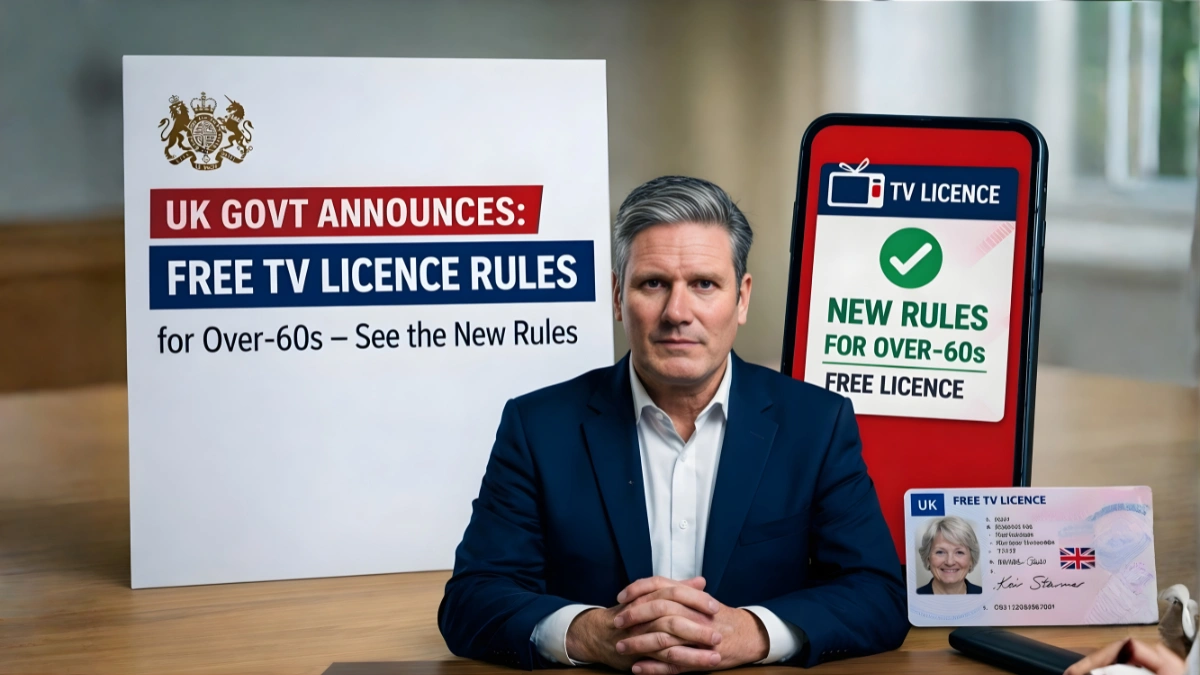
The UK government has introduced changes to the rules surrounding free TV licences, bringing new clarity for older residents who rely on this long-standing benefit. For years, many people over 60 expected access to a free licence, but the updated policy focuses more on financial eligibility rather than age alone. The revised framework explains who qualifies, how the benefit works, and what older households need to do to remain compliant with television licensing requirements.
Why the Free TV Licence Rules Have Changed
The change is part of a broader effort to better target public support toward households with the greatest financial need. Previously, age alone played a major role in determining eligibility for free TV licences, which meant many individuals qualified regardless of income. The updated rules shift the focus toward financial assistance programs and verified eligibility, ensuring that support reaches those who rely most on government aid.
What the New Rules Mean for People Over 60
People over the age of 60 are no longer guaranteed a free TV licence based solely on age. Instead, eligibility now depends on whether the household meets certain benefit criteria. Older residents who receive qualifying support payments may still be able to obtain a free licence, but others may need to pay the standard annual fee. This approach aims to maintain fairness while directing resources toward vulnerable households.
| Rule Area | Updated Policy Details |
|---|---|
| Age Factor | Free licence no longer automatically granted at 60 |
| Eligibility Basis | Linked to certain benefit qualifications |
| Primary Requirement | Household must include eligible claimant |
| Administration | Managed through official TV licensing system |
| Policy Objective | Target support toward low-income households |
How the Eligibility System Works
Under the revised policy, households must demonstrate that they receive specific government benefits linked to financial support programs. The licensing system verifies eligibility through existing welfare records before granting the free licence. This process ensures that assistance is targeted effectively and reduces misuse of the benefit.
Who Oversees the Licensing System
The television licensing program in the UK is administered by the BBC through the national TV Licensing authority. The organization manages licence payments, exemptions, and eligibility checks while ensuring households comply with broadcasting regulations.
What Older Households Should Do Next
Residents over 60 are encouraged to review their eligibility status and confirm whether they qualify for a free licence under the updated rules. Those who do not meet the new criteria will need to maintain a valid TV licence if they watch or record live broadcasts or use streaming services that require licensing under UK law.
Conclusion: The updated free TV licence policy reflects the UK government’s shift toward income-based support rather than age-based eligibility. While some older residents may still qualify for free licences, others may need to review their eligibility and prepare for standard licensing requirements.
Disclaimer: This article summarizes publicly discussed updates regarding UK TV licence eligibility rules. Actual eligibility criteria, benefit requirements, and licensing policies may change depending on official government decisions and regulatory updates. Individuals should consult official TV Licensing or government communications for the most accurate and legally binding information.